Running a small business, freelance practice, or creative side hustle often means wearing many hats. You may be focused on serving clients, creating content, managing projects, promoting your work, and planning what comes next. With so much happening, accounting can easily become something you promise yourself you will handle “later.”
The problem is that later often turns into the end of the month, the end of the year, or tax season—when receipts are missing, transactions are unclear, and it is difficult to remember why money was spent.
A simple solution is to build a weekly money check-in into your routine.
Set Aside 15 Minutes Each Week
Choose one consistent time each week to review your business finances. It could be Friday afternoon, Sunday evening, or first thing Monday morning. The goal is not to complete complex accounting work. The goal is to stay current.
During this short check-in, review the money that entered and left your business account. Record client payments, platform payouts, sales, invoices, subscriptions, supplies, software costs, travel expenses, and any other business-related transactions.
When you categorize transactions regularly, the details are still fresh. You are more likely to remember whether a purchase was for a client project, new equipment, marketing, a production expense, or personal use.
Track Profit—Not Just Payments
It is easy to focus on income because incoming payments feel like success. But a business can bring in significant revenue and still have limited profit after expenses.
For example, a freelance video editor may receive a $1,500 project payment. That sounds like a strong month, but the true picture changes after accounting for editing software, cloud storage, stock footage, equipment repairs, transportation, and other costs connected to the job.
Weekly bookkeeping helps you see the difference between:
Revenue: The total money your business earns.
Expenses: The money your business spends to operate.
Profit: What remains after expenses are subtracted from revenue.
Knowing this difference helps you price projects more confidently, identify unnecessary costs, prepare for slower months, and make better decisions about investing in your business.
Keep Business and Personal Spending Separate
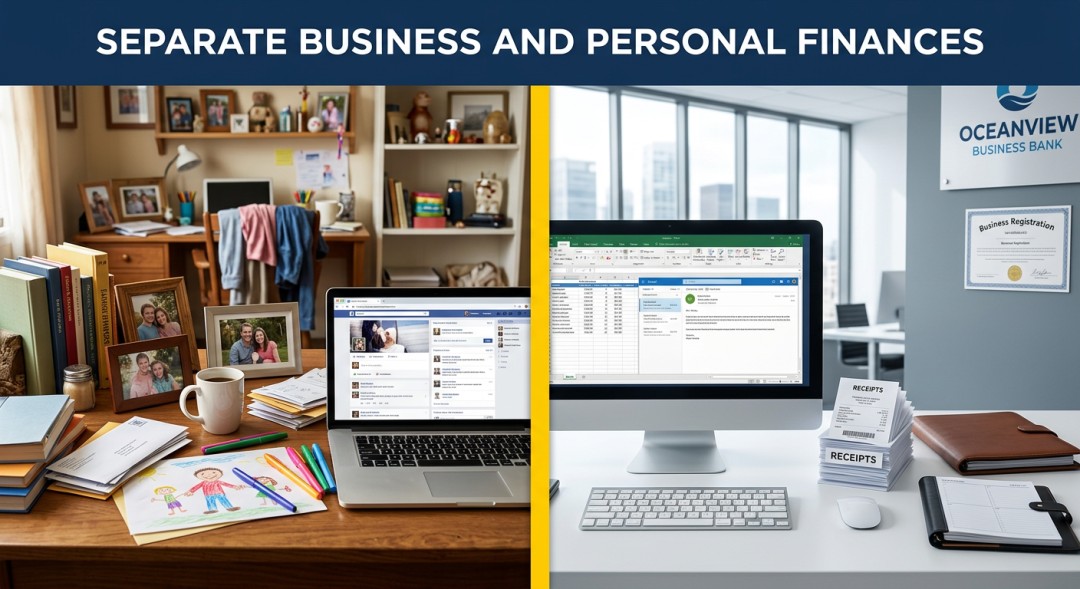
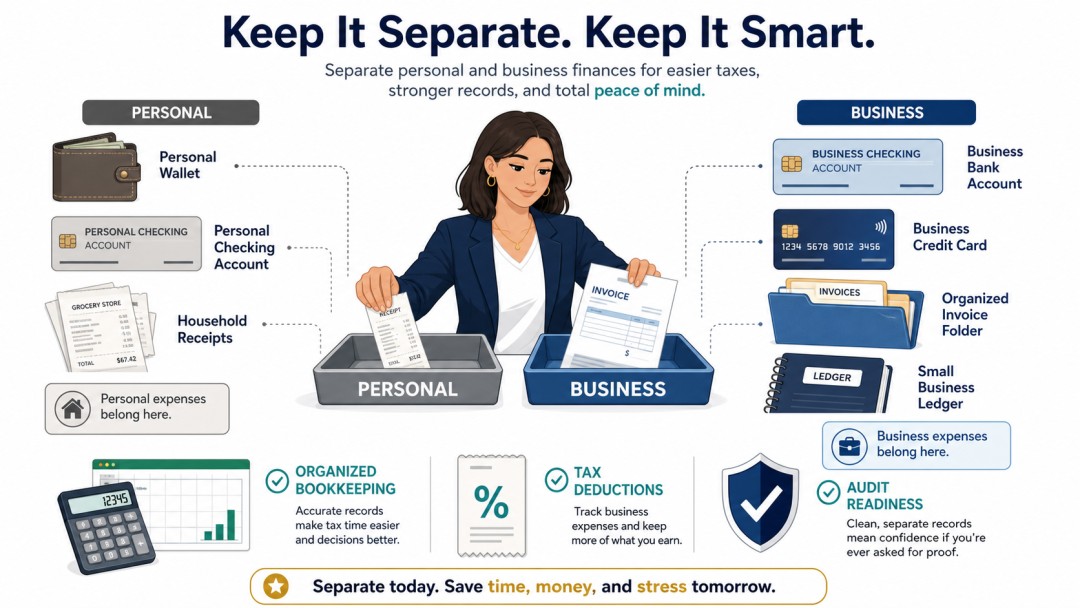
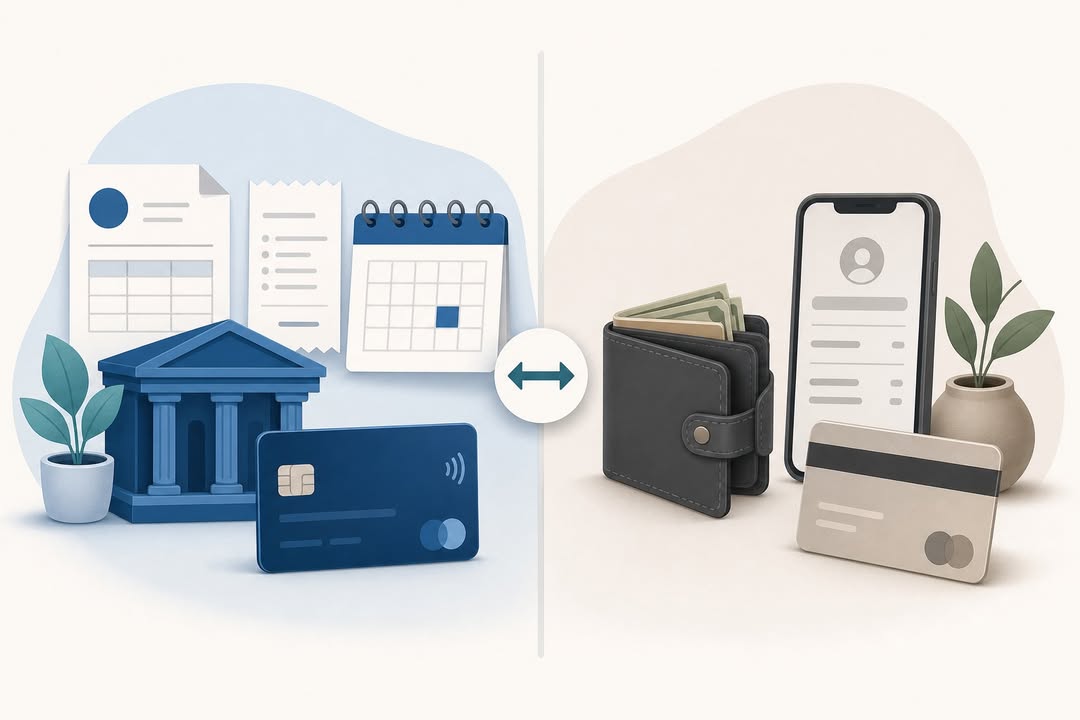
One of the most helpful accounting habits is to separate business finances from personal finances whenever possible. Use a dedicated business checking account, debit card, credit card, or at minimum a clearly organized system for identifying business-related transactions.
Mixing personal and business purchases can make recordkeeping much more difficult. It can also create confusion when reviewing your actual expenses and preparing financial records. The IRS notes that personal expenses generally are not deductible as business expenses, so clear records matter.irs
A separate account does not have to make your business feel overly formal or complicated. It simply creates a clearer record of what your work earns and what it costs to operate.
Build a System You Will Actually Use
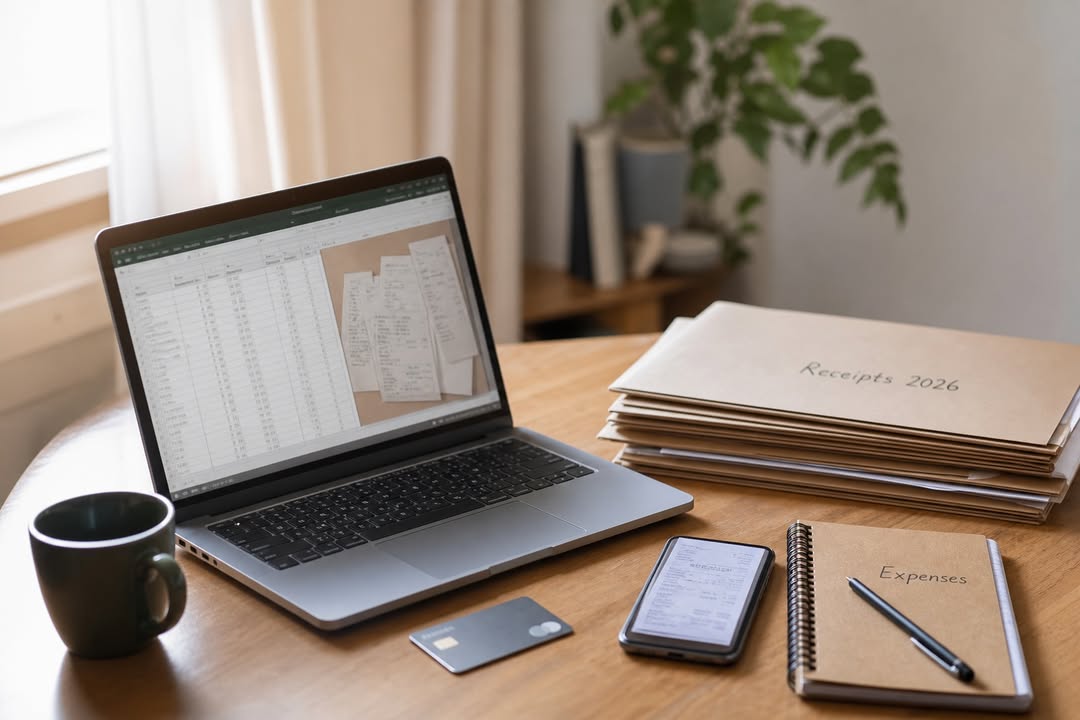
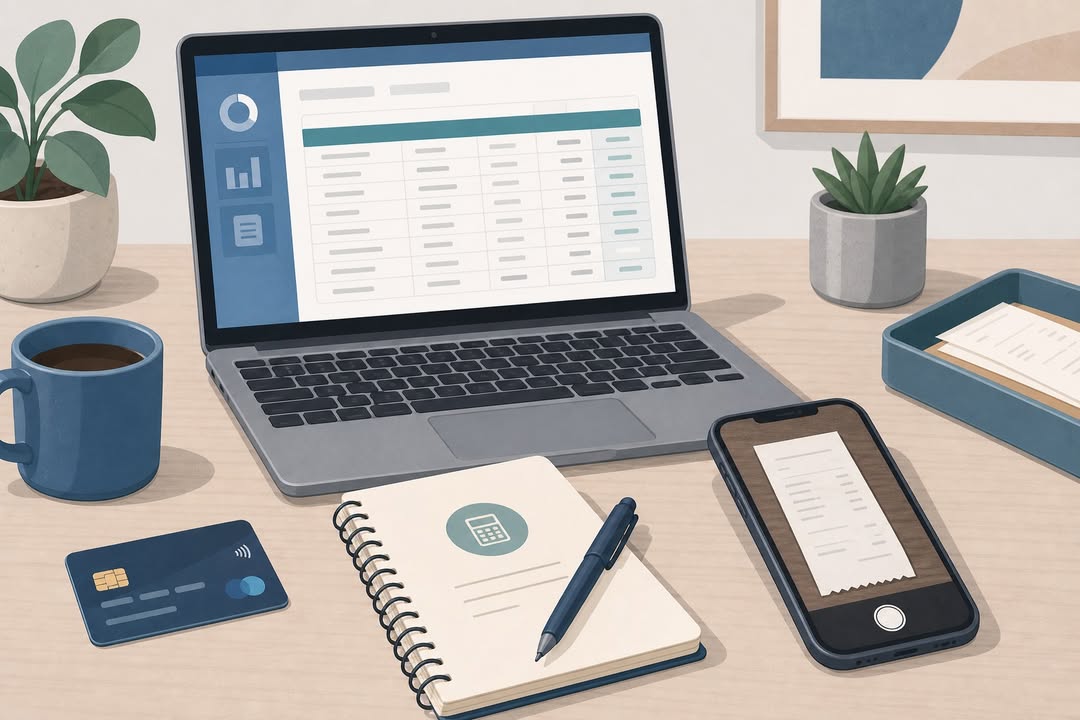
Your bookkeeping system can be simple. A spreadsheet, accounting app, receipt folder, or combination of tools can work well if you use it consistently.
At each weekly check-in, consider completing these tasks:
Record income received during the week.
Categorize business expenses.
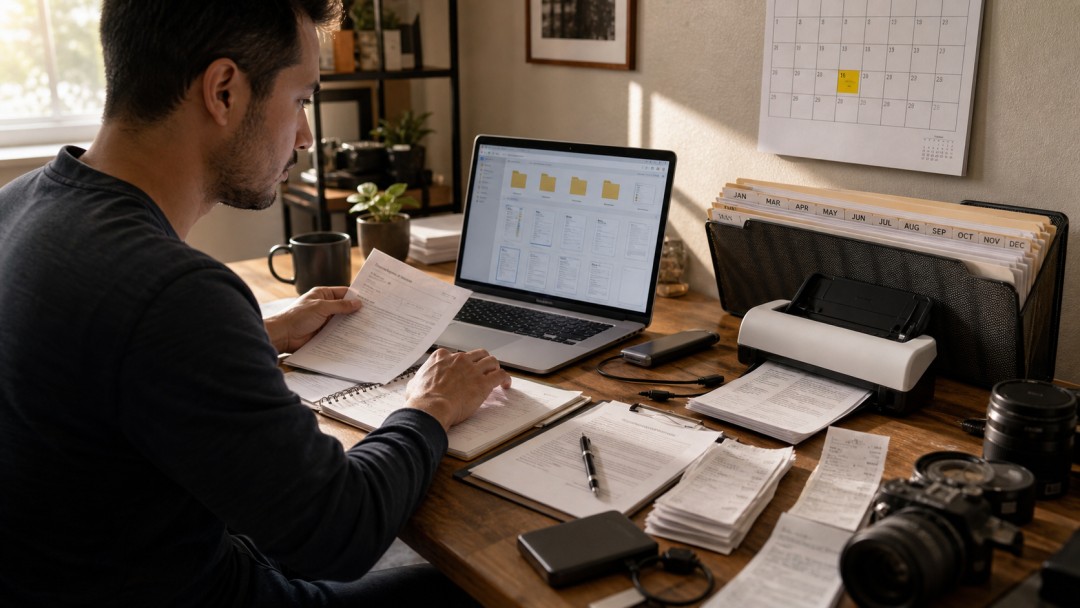
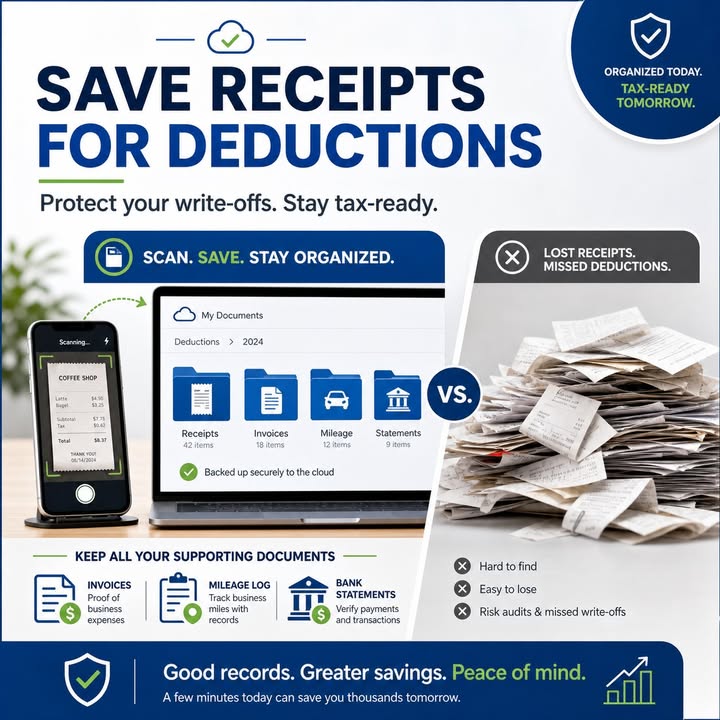
Upload or save digital copies of receipts.
Match transactions with invoices, sales, or client projects.
Review unpaid invoices and upcoming bills.
Flag transactions you need to ask an accountant or bookkeeper about.
The best system is not necessarily the most advanced one. It is the one you can maintain without avoiding it.
Small Habits Create Better Financial Decisions
Accurate bookkeeping does more than make tax time easier. It gives you useful information throughout the year.
When your records are current, you can answer important questions: Which services are most profitable? Are your business expenses growing too quickly? Can you afford new equipment? How much should you set aside for taxes? Is it time to raise your rates?
A 15-minute weekly money check-in may seem minor, but it can reduce financial stress and give you a more realistic understanding of your business. Instead of guessing how your work is performing, you will have organized information to guide your next move.