Tax Season Opening: The IRS is expected to start accepting 2025 tax year returns on or about January 24, 2026. Filing early can help you receive your refund more quickly and minimize the risk of last-minute stress.
Tax Day: The federal filing deadline is April 15, 2026, which, in 2026, is a Wednesday. This is the last day to file your return without requesting an extension or facing late penalties.
Extension Deadline: If more time is needed, you can request an automatic extension, moving the deadline to October 15, 2026. However, an extension provides more time to file, not to pay—estimated taxes remain due by April 15.
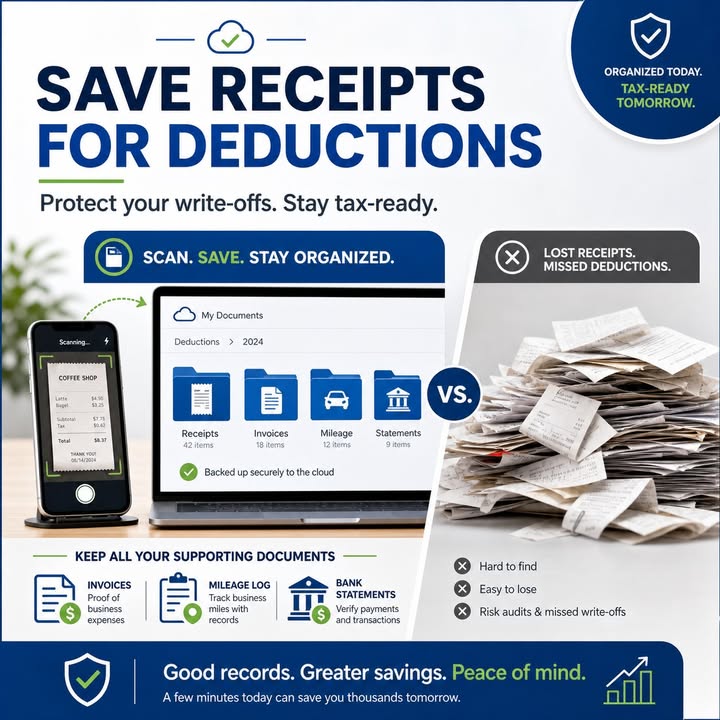
Gather Documents Early: Start by collecting W-2s, 1099s, and any other income forms, plus receipts for deductions or credits you plan to claim
Verify Personal Info: Double-check your Social Security number, banking info, and up-to-date mailing address to avoid refund delays.
File Electronically: E-filing, especially with direct deposit, speeds up both processing and your refund.
Consider Changes: Remember to account for any major life changes—like marriage, new dependents, or a move—that could impact your taxes.
Estimated Payments: If self-employed or receiving significant non-wage income, note quarterly estimated payment dates to avoid penalties: April 15, June 15, September 15, and January 15 of the following year.
File for an Extension: If you’re unable to finalize your return by April 15, submit Form 4868 for an automatic extension. This gives you until October 15, 2026, to file, but you must still pay any tax owed by April 15 to avoid interest and penalties.
State Deadlines May Vary: Some states have different deadlines or extension requirements, so check with your state tax agency for specifics.
Mark your calendars with these crucial dates and give yourself ample time to prepare. Early organization and timely action can help make the 2026 tax season smooth and stress-free.