Tax season doesn’t have to be scary. With a little preparation and a few smart habits, you can file your return accurately, avoid delays, and keep more money in your pocket.
1. Get Organized Before You File
Start by gathering all the paperwork you’ll need so you’re not hunting for documents at the last minute.
Have these ready:
W‑2s from employers and 1099s if you did freelance or gig work.
Records of interest, dividends, or other investment income.
Receipts for deductible expenses like charitable donations, education costs, childcare, and medical expenses (if you plan to itemize).
Social Security numbers and birth dates for you, your spouse, and dependents.
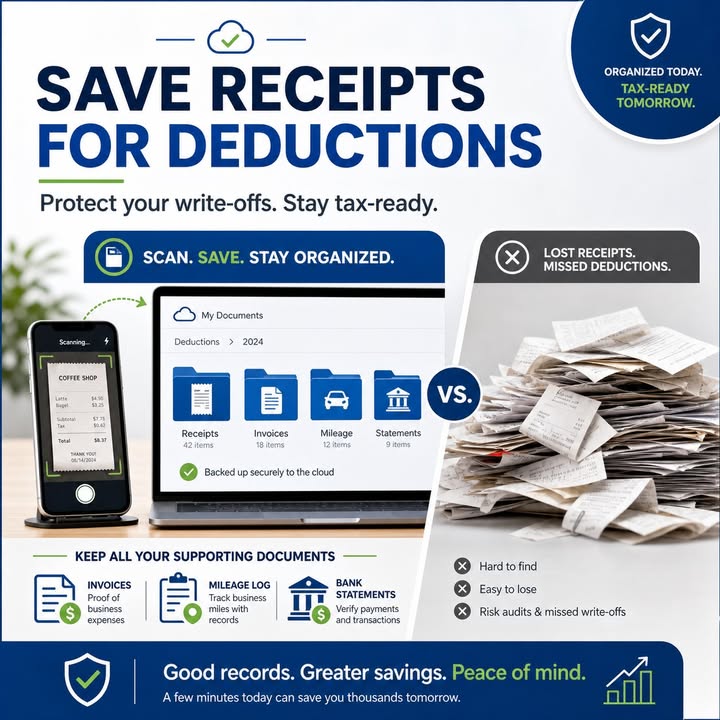
Keeping a folder—digital or physical—throughout the year makes this step much easier.
2. Decide How You’re Going To File
You have three main options:
Do‑it‑yourself with tax software: Modern software walks you through questions and does the math, which helps cut down on errors.
Use a professional tax preparer: Helpful if your situation is more complex (multiple jobs, side business, rental property, etc.).
Free options: Some online tools and community programs help eligible taxpayers file at no cost.
If your taxes are straightforward, software may be enough; if you own a business or feel unsure, a professional can save you money and stress.
3. Watch Out For Common Mistakes
Small mistakes can slow down your refund or trigger IRS letters, so it pays to double‑check your return.
Avoid these pitfalls:
Filing too early before you’ve received all your forms (that can lead to missing income).
Typing the wrong Social Security number, name, or bank account information.
Choosing the wrong filing status (for example, picking “Single” when you qualify for “Head of Household”).
Forgetting to sign your return or finalize your e‑signature—an unsigned return isn’t valid.
A final slow review before you hit “submit” can prevent weeks of delays.
4. Don’t Leave Deductions And Credits On The Table
Deductions and credits reduce your tax bill and sometimes increase your refund, but many people simply forget to claim what they qualify for.
Look into:
Education credits if you or a dependent attended college or job training.
Childcare credits for money paid to daycare or after‑school programs so you could work.
Retirement contributions, which can lower taxable income while helping you save for the future.
Charitable donations made by December 31, which may be deductible if you itemize.
Keep receipts and documentation so you can prove these if needed.
5. If You’re Self‑Employed Or Side‑Hustling
If you run a small business or have a side hustle, taxes work a little differently.
Key tips:
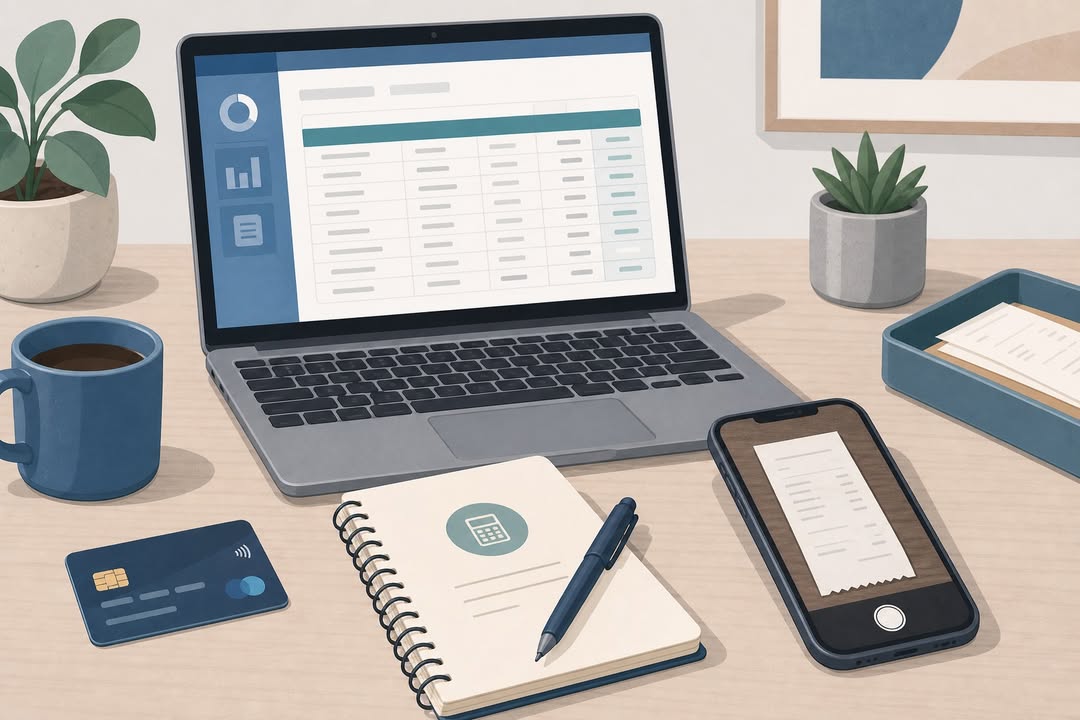
Track all income and expenses year‑round—use a spreadsheet or bookkeeping app instead of trying to remember everything in April.
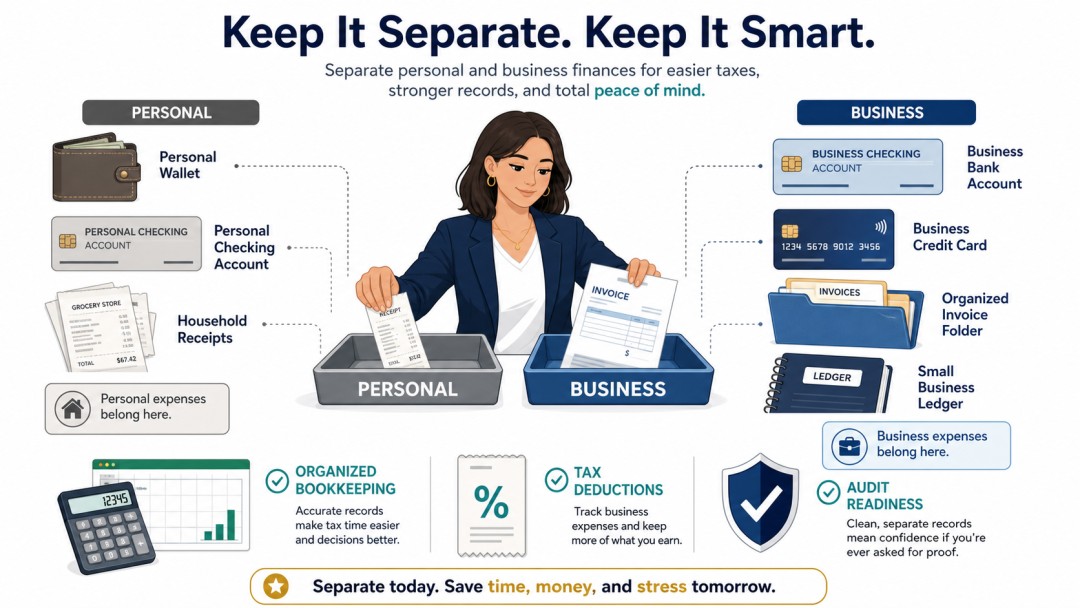
Keep business and personal money separate with a dedicated bank account or card.
Learn which expenses are deductible (software, supplies, a portion of your phone/internet, etc.) and keep receipts.
If you expect to owe more than a small amount in tax, plan for quarterly estimated payments to avoid penalties.
Many small business owners spend 20+ hours a year just on federal taxes, so staying organized from day one makes a big difference.
6. Plan Ahead For Next Year
The best time to make next tax season easier is right after this one.
Simple moves:
Create a dedicated folder for next year’s tax documents and start using it immediately.
Turn on digital statements where possible so you don’t lose important mail.
A little planning now can mean a smoother filing process—and possibly a better refund—next time.
If you tell me your exact audience for Golden Bookz (students, creatives, small business owners, etc.), I can quickly tailor this article’s intro and examples to match them.