Tax season 2026 is here, and for many people it brings a mix of stress, questions, and the hope of a refund. Whether you file on your own or work with a professional, a little preparation now can save time, money, and frustration later.
Key Dates to Remember
For most individual taxpayers, federal income tax returns for the 2025 tax year are due on April 15, 2026. If you need more time to file, you can request an extension, but remember that an extension to file is not an extension to pay any taxes you owe.
Documents You’ll Need
Start by gathering all the paperwork that shows your income and potential deductions.
Wage statements such as Forms W‑2 from employers.
Forms 1099 for freelance work, interest, dividends, or other income.
Bank and investment statements to verify interest, gains, or losses.
Records for common deductions and credits, such as mortgage interest, student loan interest, charitable donations, and childcare costs.
Having organized records helps you file an accurate return and avoid delays in processing your refund.
Take Advantage of Credits and Deductions
Tax credits and deductions can significantly reduce your tax bill, but only if you know what you qualify for.
Review whether the standard deduction or itemizing will benefit you more, especially if you have higher mortgage interest, property taxes, or charitable giving.
Look into available credits, such as the child tax credit and certain education‑related or income‑based credits, which can directly lower the amount of tax you owe.
If your situation has changed—like getting married, divorced, having a child, buying a home, or starting a business—those life events may affect which credits and deductions you can claim.
Filing Smart for a Faster Refund
If you expect a refund, how you file and choose to receive your money can speed things up.
File electronically instead of mailing a paper return to help the IRS process your return faster.
Choose direct deposit so your refund goes straight to your bank account safely and quickly.
Double‑check your personal information, such as your Social Security number, address, and bank details, to avoid errors that can delay your refund.
For those who may owe taxes, consider making an estimated payment before the deadline to reduce penalties and interest.
Planning Ahead All Year
The easiest tax seasons are the ones you prepare for throughout the year.
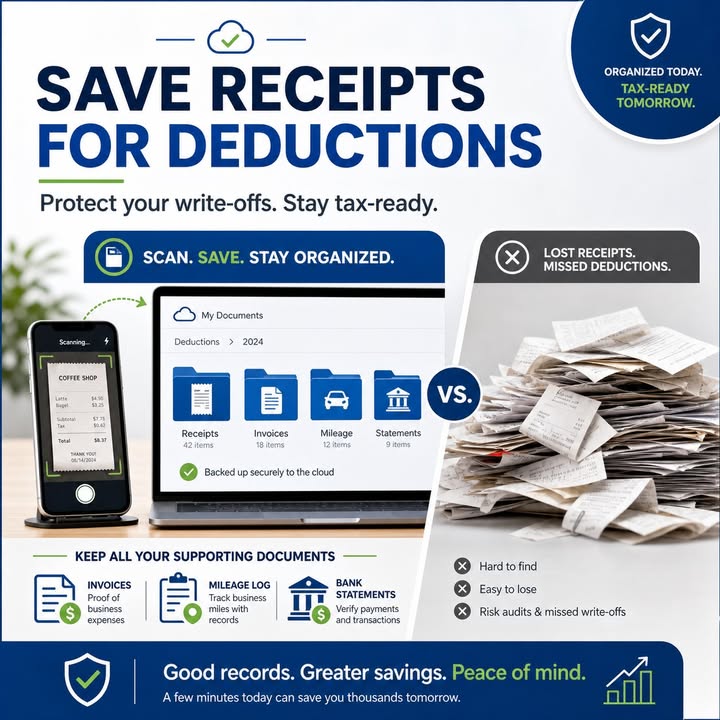
Simple habits—like saving receipts, keeping mileage logs for business driving, and reviewing your paystub withholding—can help you avoid surprises in April. Adjusting your withholding if you consistently get a large bill or an unusually large refund can smooth out your cash flow and reduce stress next tax season.