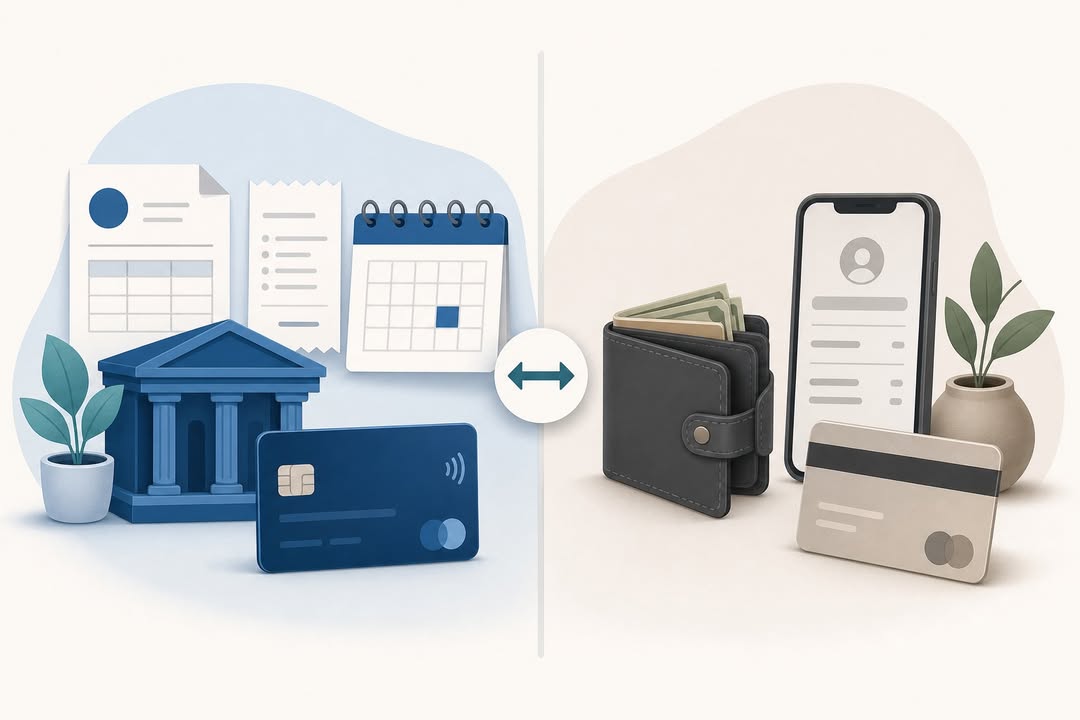
While profitability is essential for the long-term sustainability of your business, consistent cash flow is the literal lifeblood that keeps your daily operations running. It is entirely possible for a business to appear profitable on paper while simultaneously struggling to meet immediate financial obligations like payroll, rent, or supplier payments.
Why Cash Flow Takes Precedence
Profit serves as an indicator of whether your business model is successful over time, but it does not equate to liquidity. Cash flow, by contrast, tracks the actual movement of money in and out of your accounts. When your cash inflows are delayed—often due to slow-paying customers, high inventory costs, or timing gaps between expenses and revenue—you can quickly find yourself unable to pay essential bills, regardless of how many sales you have theoretically made.
Proactive Management Strategies
Managing this dynamic requires moving beyond occasional check-ins to a more rigorous, proactive approach. Consider integrating these practices into your regular routine:
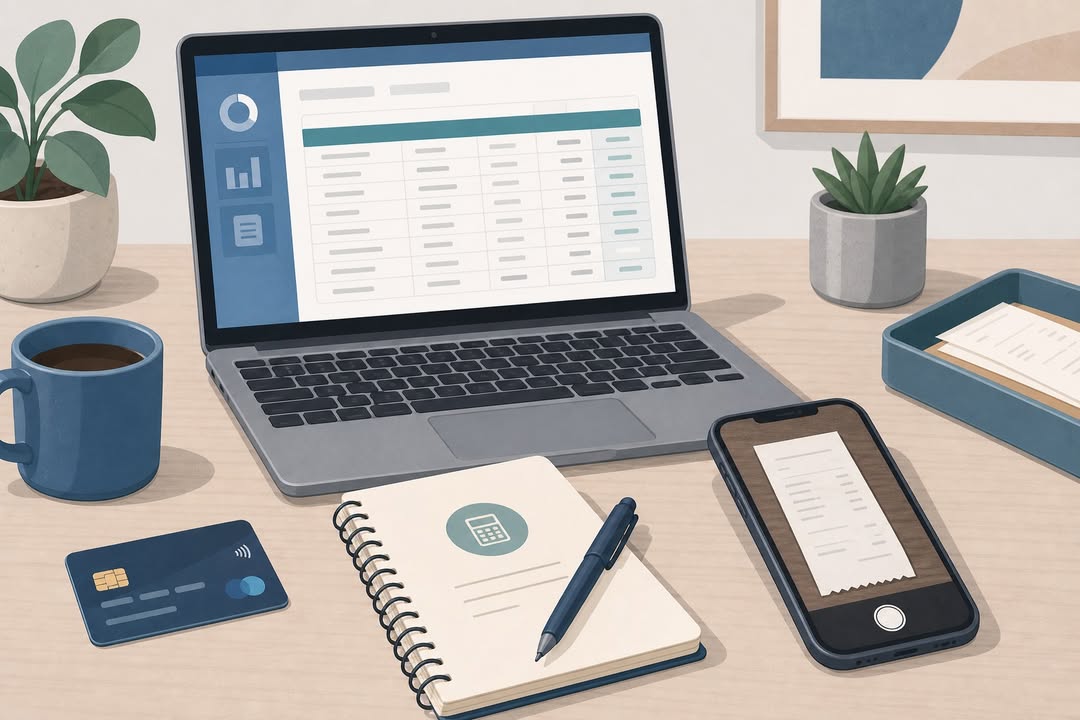
Implement regular monitoring: Use your accounting software to review cash flow statements weekly or monthly, looking specifically for payment patterns and rising expenses.
Develop predictive forecasts: Use past data to create cash flow forecasts, which help you anticipate upcoming lulls and prepare for them before they become crises.
Build a cash buffer: Strive to maintain a cash reserve equivalent to at least one to three months of essential operating expenses to act as a safety net against unexpected costs.
Optimize payment cycles: Actively manage both receivables and payables by incentivizing early client payments and negotiating favorable terms with your own suppliers.
By treating cash flow with the same strategic importance as profit, you ensure your business remains resilient enough to weather market fluctuations and invest in future growth.