Tax season can feel overwhelming, but there’s a silver lining many people overlook: the potential tax return. If you’ve been diligent about filing your taxes, there’s a good chance you’ll receive money back from the government. Here’s what you need to know about tax returns and how to maximize yours.
What Is a Tax Return?
A tax return is the refund you receive when you’ve overpaid your taxes throughout the year. This happens when your employer withholds too much from your paycheck, or when you’ve made quarterly estimated tax payments that exceed your actual tax liability. The IRS calculates how much you actually owe, subtracts what you’ve already paid, and sends you the difference.
Why Do People Get Tax Returns?
Several common situations lead to tax returns:
Withholding Too Much: Your employer estimates your tax liability based on the W-4 form you complete. If your circumstances change—marriage, a second job, dependents—you might have too much withheld.
Qualifying Credits: Tax credits like the Earned Income Tax Credit (EITC), Child Tax Credit, or education credits can significantly reduce your tax liability, often resulting in a refund.
Deductible Expenses: If you’re self-employed or a freelancer, business expenses, home office deductions, and other write-offs can lower your taxable income and increase your refund.
Life Changes: Major events like having a child, adopting, paying student loan interest, or making charitable donations can all trigger tax benefits that boost your return.
How to Prepare for Tax Season
Getting the most from your tax return starts with preparation:
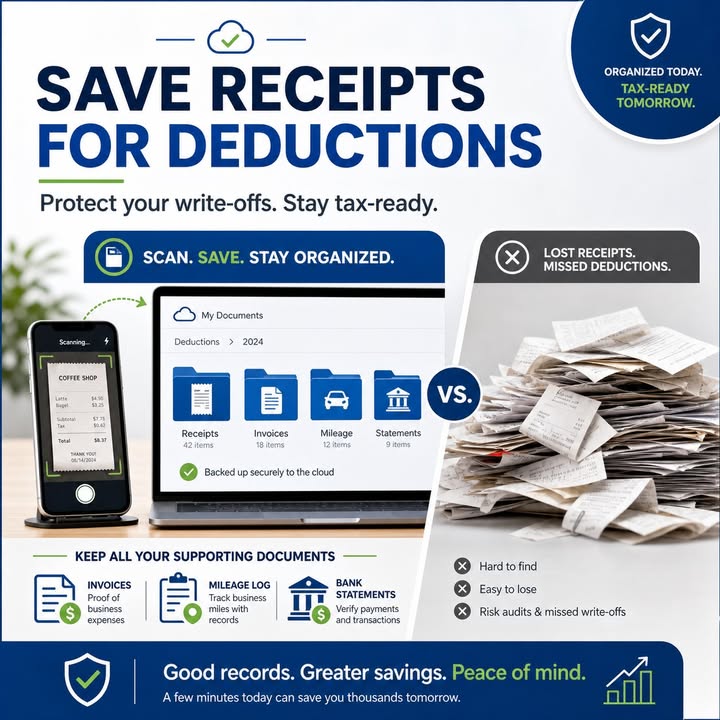
Gather Your Documents: Collect all W-2s, 1099 forms, receipts for deductible expenses, and records of charitable contributions. Staying organized throughout the year makes this process painless.
Review Your W-4: If you received a large refund last year, consider adjusting