The 2026 Tax Season Is Almost Here: What You Need to Know
Tax season is right around the corner, and this year’s filing period comes with new rules, updated deductions, and fresh opportunities to save money on your 2025 taxes. Whether you are an employee, contractor, or small business owner, preparing early can help you avoid stress, reduce errors, and potentially increase your refund.
Key dates to remember
Late January: The IRS opens the e‑file system and begins accepting 2025 tax returns, marking the official start of the 2026 tax season.
January 31: Most employers and payers must issue W‑2s and 1099s, which you need before filing an accurate return.
April 15: This is the traditional deadline for filing individual federal income tax returns or requesting an extension and paying any tax due.
New rules and tax law changes
Recent federal tax law changes aim to adjust for inflation and provide relief for working families, retirees, and certain workers with tips or overtime income. Many taxpayers will see a higher standard deduction and changes to brackets and credits, which can directly impact how much they owe or get back.
How to get ready now
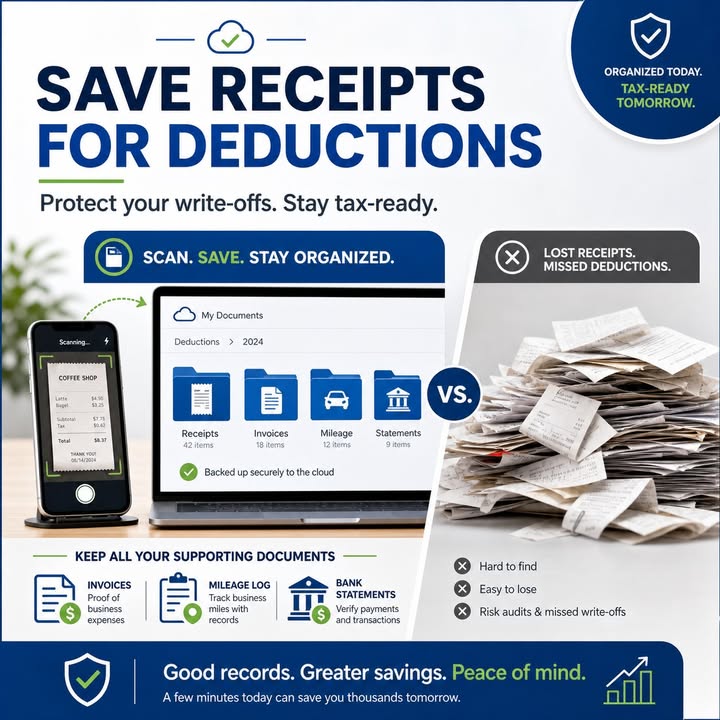
Getting organized early is one of the best ways to make this tax season smoother and less stressful. Start a dedicated folder (physical or digital) for all tax documents, including W‑2s, 1099s, bank and investment statements, receipts for deductible expenses, and last year’s return.
Why filing early can help
Filing early gives you more time to fix mistakes, respond to any issues, and plan for any balance due before the April deadline. Early filing can also reduce the risk of identity‑theft‑related refund fraud, since your legitimate return reaches the system before a criminal can attempt to file in your name.
Work with a trusted tax professional
With new laws and changing rules, many people benefit from having a knowledgeable professional review their situation and look for deductions or credits they might miss on their own. A dedicated tax expert can help you navigate the latest updates, file accurately, and create a strategy that supports your financial goals beyond this tax season.