Track Expenses Weekly, Not Yearly
Tracking your expenses once a year—right before tax season—is like trying to deep‑clean your kitchen with last night’s dinner still on the stove: messy, stressful, and full of things you’d rather not touch. By spreading that work across 52 weekly check‑ins, you turn a chaotic rush into a calm, predictable habit that keeps your finances visible and under control.
Why weekly beats yearly
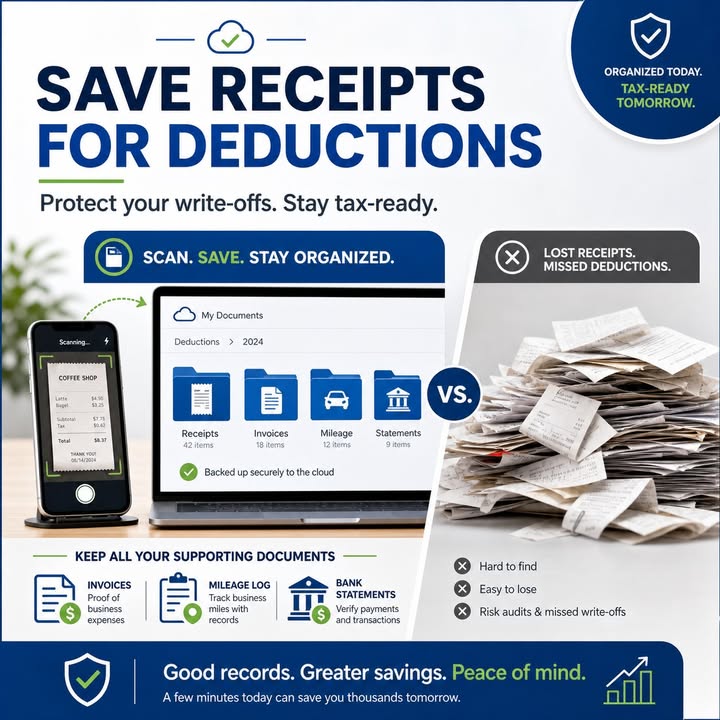
Waiting until April forces you to reconstruct months of receipts, guess at categories, and risk missing deductions and misstatements. Weekly reviews mean each entry is fresh, receipts are still handy, and you can correct overspending before it snowballs. That small habit also reveals patterns quickly—like how often you’re eating out or renewing subscriptions—so you can adjust budgets in real time instead of playing catch‑up under a tax deadline.
How to make it simple
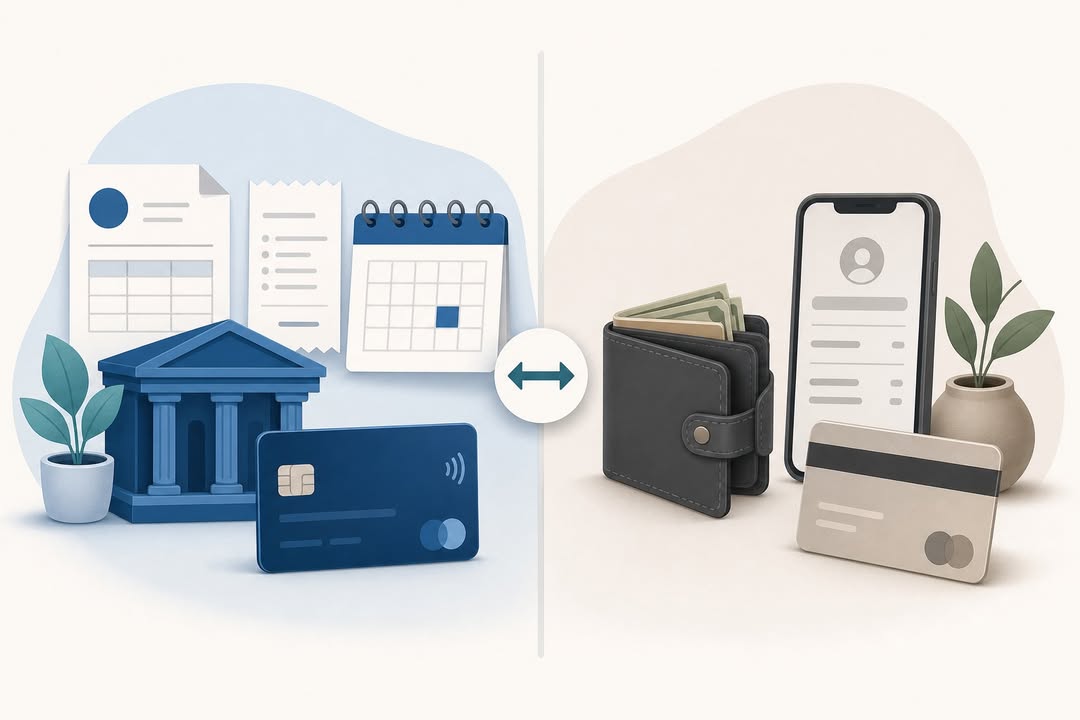
Pick one tool: a spreadsheet, a budgeting app, or even a simple notebook, and commit to a short weekly session to log and categorize everything. Many apps can auto‑import transactions and sort them into categories, letting you spend just a few minutes each week to review and adjust. Done consistently, weekly tracking turns tax season from a panic attack into a smooth, almost boring paperwork exercise—and frees you up to focus on bigger financial goals, like saving for equipment or growing your projects